
If the VA recently denied your claim for a painful service-connected scar, or if they assigned a 0% rating, you’re not alone. Scars are one of the most common disabilities veterans claim, but they’re frequently underrated.
The VA is currently looking to update how it evaluates painful scars under Diagnostic Code (DC) 7804. If this proposed Veterans Affairs scar rule change goes into effect, it’s going to place a much higher burden of proof on veterans trying to win their appeals. Here’s what you need to know if you’re fighting a bad rating.
The Proposed VA Changes
Currently, the VA can grant a disability rating for a scar if you report that it hurts. Under the current system, your statement carries significant evidentiary weight.
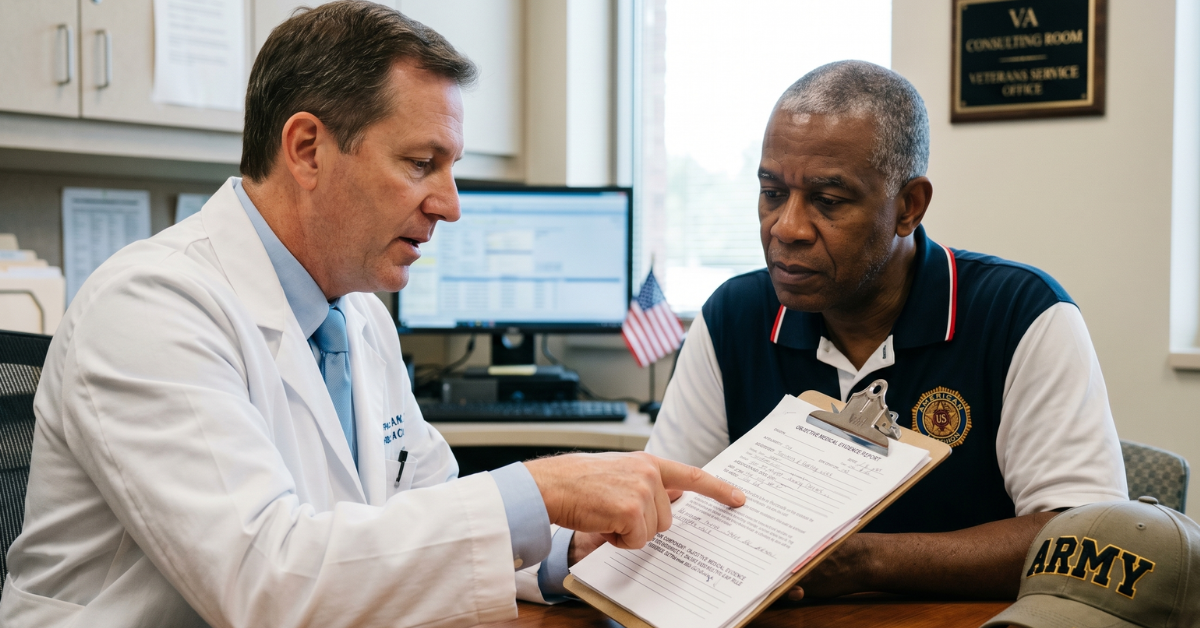
The VA wants to change that. They proposed an amendment requiring “objective evidence of pain” before assigning a compensable rating. They argue that this brings scar ratings in line with other disability ratings, which usually require objective medical findings rather than subjective complaints.
What counts as objective evidence?
If your claim’s denied for lack of evidence, here’s what the VA requires under this proposal:
- Medical observations: A medical professional observing your physical reaction to pain during an exam.
- Tenderness: A doctor noting that you wince, flinch, or guard the scarred area when it’s touched.
- Documented treatment: Evidence in your medical records showing you’re actively treating the pain, like prescriptions for pain medication.
Acne Scars and DC 7800
Not all scars are from combat wounds or surgeries. Many veterans deal with severe acne scars triggered by service in harsh environments or exposure to toxins. In these cases, the VA might rate the condition under DC 7800 for disfigurement of the head, face, or neck.
Under DC 7800, the VA looks for specific characteristics of disfigurement. A few examples include:
- A scar that’s five inches or longer
- A scar that’s at least one-quarter inch wide at the widest part
- Skin that’s hypo- or hyper-pigmented in an area exceeding six square inches
If you have four or five of these characteristics, you qualify for a 50% rating. If the VA denied your acne scar claim by calling the scars “superficial” when they’re deep and disfiguring, that’s a decision you can fight on appeal.
Scars on the Body
If your scars aren’t on your head, face, or neck, the VA rates them based on their size and depth.
For these codes, the VA measures the total area of the scars in square inches. If your superficial scars cover 144 square inches or more, that’s a 10% rating.
Unstable Scars and Secondary Issues
Under DC 7804, an unstable scar is defined as one where there is frequent loss of the covering of skin over the scar. For example, keloids are raised and get inflamed or hurt for days if they rub against something.
A scar can cause a limited range of motion or nerve damage. If your scar’s so tight or painful that it prevents you from moving a joint properly, you might be entitled to a separate rating for that loss of function. If the VA only gave you a 0% rating for the scar itself but ignored the way it limits your movement, you have strong grounds for an appeal.
What to Do if Your Scar Claim’s Denied or Underrated
You don’t have to accept a bad Compensation and Pension (C&P) exam result. If the VA denied your claim because the examiner rushed through it or didn’t document your pain, you can challenge the adequacy of that exam on appeal.
You can also fight a denial by submitting new evidence in a Supplemental Claim. If you treat with a private primary care doctor or specialist, have them document your physical reactions to pain and any treatments you use. This creates the paper trail the VA demands.
Verify the VA’s scar count. The VA frequently miscounts painful scars. Under DC 7804, you get a 10% rating for one or two painful scars, a 20% rating for three or four scars, and a 30% rating for five or more. If the VA lumped them together or missed some, an appeal can force them to fix the error.
Get Help With Your Appeal
If you’re struggling to get your service-connected scars rated properly, or if your claim’s been denied, contact Cameron Firm, PC. We focus exclusively on VA appeals and can help you fight for the benefits you’ve earned.